
Loading cart contents...

The Importance of Fuel Storage Tank Cleaning
Why Fuel Storage Tank Cleaning Matters
Fuel storage tanks are essential for industries such as transportation, mining, manufacturing, and energy production. However, over time, contaminants like sludge, sediment, and microbial growth can compromise fuel quality, damage equipment, and create safety hazards.
Regular fuel storage tank cleaning ensures optimal fuel efficiency, longer equipment lifespan, and compliance with industry regulations.
📌 Related Service: Fuel Filtration & Polishing
Why Fuel Storage Tank Cleaning is Crucial
1. Maintains Fuel Quality
Contaminated fuel leads to clogged filters, injector damage, and reduced engine performance. Cleaning your fuel storage tank removes impurities, ensuring clean, high-quality fuel.
🔎 Related Reading: How to Detect Fuel Contamination
2. Prevents Microbial Growth
Bacteria and fungi thrive in tanks with water contamination, leading to fuel degradation and corrosion. Regular cleaning prevents microbial buildup and prolongs fuel shelf life.
📌 Related Service: Diesel Tank Cleaning Services
3. Reduces Safety Risks
Dirty tanks pose risks such as fuel contamination, blockages, and even fire hazards. Proper cleaning eliminates sludge buildup, prevents leaks, and ensures regulatory compliance.
🚧 Related Service: Fuel Storage Compliance & Safety Checks
4. Extends Tank Life
Sediment and sludge cause corrosion and structural damage. Regular maintenance removes contaminants, preventing tank deterioration and costly replacements.
💡 Learn More: Signs Your Fuel Tank Needs Maintenance
How Often Should Fuel Storage Tanks Be Cleaned?
The ideal cleaning schedule depends on:
✔️ Tank Size & Type – Larger tanks accumulate contaminants faster.
✔️ Fuel Type – Diesel is more prone to microbial growth than gasoline.
✔️ Usage Patterns – Frequently used tanks need more frequent maintenance.
Recommended Cleaning Frequency:
- High-Usage Tanks – Every 1-2 years
- Standard Industrial Tanks – Every 3-5 years
- Long-Term Storage Tanks – Inspect annually and clean as needed
📌 Related Service: Fuel Storage Tank Inspections
Best Practices for Fuel Storage Tank Cleaning
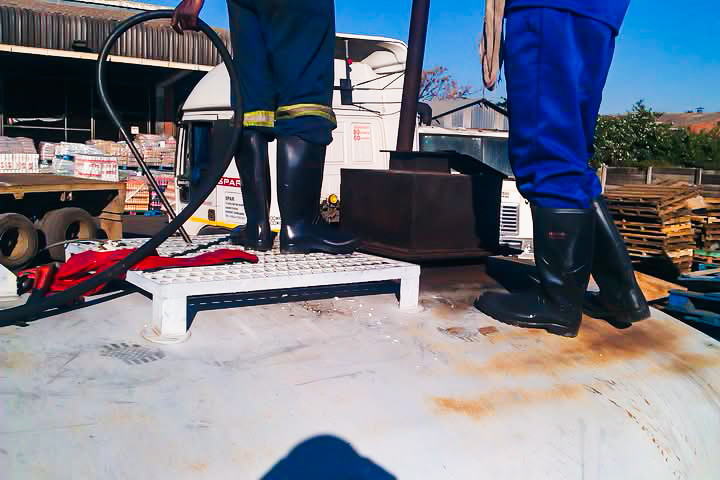
✔️ Use Professional Cleaning Services – Experts use fuel polishing systems and specialized equipment to remove contaminants.
✔️ Follow Safety Protocols – Wear protective gear, ensure proper ventilation, and follow hazardous material handling guidelines.
✔️ Monitor Fuel Quality – Regularly test for water content, microbial growth, and sediment buildup.
✔️ Proper Waste Disposal – Dispose of sludge and waste materials in compliance with environmental laws.
📌 Related Service: Hazardous Waste Disposal Solutions
Frequently Asked Questions (FAQs)
Q: How do I know when my fuel storage tank needs cleaning?
A: Look for clogged filters, reduced engine performance, fuel discoloration, and water contamination.
Q: Can contaminated fuel be restored after cleaning?
A: Yes! Fuel polishing and filtration can help restore fuel quality after tank cleaning.
🔎 Related Service: Fuel Polishing Services
Q: Should I clean my tank myself or hire professionals?
A: Professional cleaning ensures thorough sludge removal, regulatory compliance, and fuel quality preservation.
Conclusion
Regular fuel storage tank cleaning is a key part of fuel management and safety. It prevents contamination, extends tank life, and reduces costly repairs.
📢 Need Professional Fuel Tank Cleaning?
At PetroMech, we provide expert fuel storage tank cleaning services to help you maintain fuel quality and operational efficiency.
📞 Contact us today for a FREE consultation!







1 Comment
Join the discussion and tell us your opinion.
n njjjj